
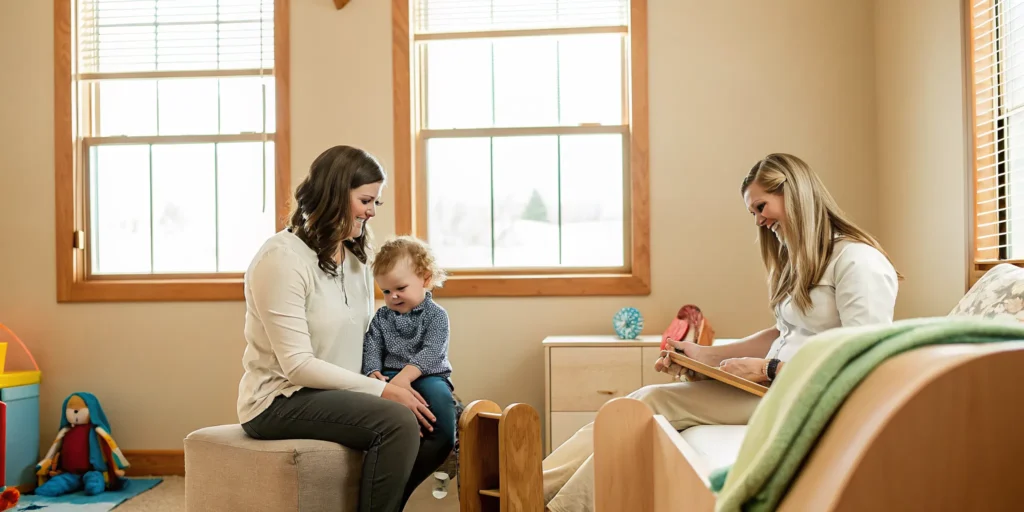
Your child’s first ABA visit should feel purposeful, personal, and easier to understand. Knowing the routine can help your family arrive ready to participate, ask questions, and begin building a relationship with the care team. Learn more about ABA therapy goals.
Contact Preferred ABA Services to ask questions and learn which next steps may fit your family.
Applied behavior analysis, or ABA, uses observation, practice, and reinforcement to help build useful skills. A plan may address communication, social interaction, daily routines, safety, or behaviors that make learning harder. The activities, pace, and goals should reflect the individual child rather than a standard program.
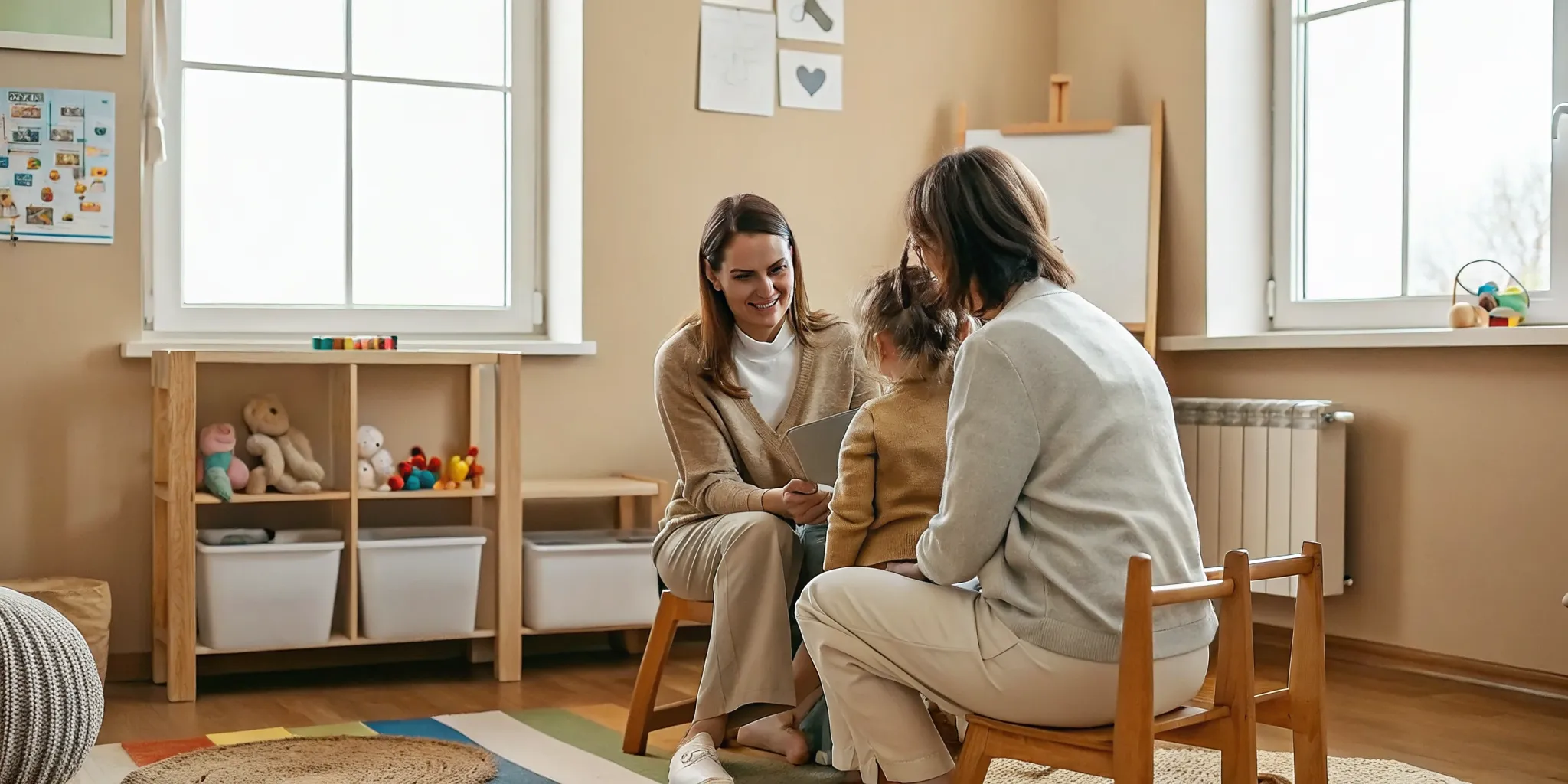
What To Expect At Aba Therapy: What should you expect at the first ABA visit?
The first ABA visit usually focuses on learning about your child, not completing a full therapy session. The care team may interview caregivers, observe your child, discuss strengths and routines, and begin identifying useful goals. Families should also have time to ask questions and understand recommended next steps.
Intake and family conversation
Intake often starts with forms and a conversation with a clinician. You may discuss communication, interests, routines, current supports, and behaviors that affect daily life. The clinician may ask which changes would make home, school, or community activities easier for your child and family.
Bring records the clinic requests and a few specific examples of recent concerns. Instead of saying that transitions are always difficult, for example, describe a recent transition, what happened before it, and what helped. Learning more about the ABA therapy process and goals can help you prepare questions.
Assessment through observation
The clinician may observe your child during play, conversation, or simple activities. This is not a pass-or-fail test. It is a way to understand current skills, preferences, and responses in a respectful setting. Your child may complete some activities easily and need more time, a break, or a different approach for others.
- Communication skills: how your child asks, responds, or shows discomfort.
- Play and interests: activities that hold attention and support connection.
- Daily routines: areas where independence or added support may help.
- Family priorities: goals that would make everyday life more manageable.
Individual goals and next steps
After the assessment, the care team reviews what it learned and discusses possible goals with the family. A good plan explains what will be practiced, how progress will be measured, and when the team will review results. Ask who will oversee care, who will work directly with your child, and how updates will be shared.
What happens during a typical ABA therapy session?
A typical ABA therapy session blends planned skill practice with play, movement, and relationship-building. The therapist follows individualized goals, offers appropriate prompts, reinforces progress, and records data. Activities and pacing vary based on the child’s strengths, needs, and treatment plan rather than following one standard routine.
Arrival, connection, and practice
A therapist may begin with a familiar routine, favorite activity, or simple choice to help your child transition into the space. Building trust matters. Time spent connecting through play can help the therapist learn how your child communicates, what motivates participation, and when support is needed.
- Arrival and transition: The therapist greets the family and notes anything that may affect the day.
- Rapport building: Shared play helps the child and therapist become comfortable together.
- Skill practice: Activities target goals such as requesting help, following a routine, or taking turns.
- Breaks and movement: Planned pauses give the child time to reset and make choices.
- Data collection: The therapist records responses, prompts, and relevant context.
- Caregiver update: The family receives a short review and may discuss practice at home.
Learning in different settings
Some practice may look structured, with a task divided into small steps. Other learning happens naturally during games, conversation, snacks, or transitions. The CDC describes behavioral approaches that track and measure progress. The care team may use different teaching styles when they fit the child’s goals.
Breaks are part of a thoughtful session, not time lost from therapy. A child may move, enjoy a preferred activity, or communicate a need before returning to practice. The therapist should respond to signs of discomfort and adjust pacing as needed.
The caregiver handoff
At the end of a session, the therapist may share what was practiced, what went well, and what seemed difficult. Parents can mention changes in sleep, routines, health, or school that could provide useful context. Ask for one manageable way to support a skill between visits instead of trying to recreate the entire session at home.
Which skills can ABA therapy address?
ABA therapy may address communication, social interaction, daily living, transitions, safety, and behaviors that interfere with learning. Goals should be individualized around the child’s strengths, needs, and family priorities. The purpose is to build useful skills and independence, not to erase harmless traits or make every child act the same.
Communication and social connection
Communication goals may help a child ask for something, make a choice, request a break, or show discomfort more clearly. The method may involve speech, gestures, pictures, or a communication device. When communication is a priority, families can also explore speech therapy services and ask how providers may coordinate care.
Social goals should also be practical and individualized. One child may practice taking turns in a favorite game, while another learns to join an activity or state when they need space. The focus should be meaningful connection and self-advocacy, not forced eye contact or masking harmless differences.
Daily routines, transitions, and safety
Daily living goals may include getting dressed, washing hands, packing a bag, or following a morning routine. A therapist can break a task into smaller steps and adjust the level of support as the child learns. Families may also review occupational therapy for children when independence in everyday activities is a priority.
Transition practice might use a visual schedule, a countdown, or a consistent way to finish one activity and begin another. Safety goals may include stopping near a street, remaining close to a caregiver, or asking for help. Practice should be appropriate for the child’s age and daily environment.
Positive reinforcement and fewer barriers
Positive reinforcement means a helpful response follows a skill, making that skill more likely to happen again. That response might be praise, access to a favorite activity, or a natural result. For example, clearly asking for a toy may lead to time with that toy.
Therapy may also address behaviors that affect safety, comfort, communication, or learning. The team first looks at what happens before and after the behavior, then teaches a safer or clearer way to meet the same need. Plans should be reviewed and adjusted rather than treating behavior as disobedience.
Who is involved in your child’s ABA care?
An ABA care team often includes a Board Certified Behavior Analyst who assesses needs and oversees the plan, plus a trained direct-care therapist who practices goals during sessions. Caregivers are also essential partners. Team titles and responsibilities vary, so families should ask who supervises care and answers questions.
The BCBA and direct-care therapist
A Board Certified Behavior Analyst, or BCBA, typically assesses needs, designs the treatment plan, reviews data, and supervises care. The BCBA may observe sessions and meet with caregivers to discuss goals or concerns. When progress patterns change, the BCBA can adjust teaching steps, supports, or goals.
A direct-care therapist works with the child during many scheduled sessions. Some providers use Registered Behavior Technicians, or RBTs, in this role. Under supervision, the therapist follows the plan, practices target skills, records observations, and shares relevant information with the supervising clinician.
| Area | BCBA | Direct-care therapist or RBT |
|---|---|---|
| Main focus | Plans and oversees care | Works directly with the child |
| Data | Reviews patterns and progress | Records responses and context |
| Plan changes | Updates goals and strategies | Uses the updated plan |
| Family contact | Discusses goals and progress | May share session updates |
Caregivers and coordinated support
Caregivers help the team understand which skills matter at home, school, and in the community. Families should know who answers routine questions, who handles clinical concerns, and how often the BCBA reviews progress. Ask for a clear introduction to each person’s role at the start of care.
Some children receive support from more than one type of provider. Preferred Medical Group also offers pediatric care and behavioral health services. Families can ask their providers how information may be shared appropriately and how different recommendations fit together.
How are parents and caregivers involved?
Parents and caregivers share priorities, explain daily routines, review progress, and learn strategies they can use between visits. Their knowledge helps the care team select meaningful goals and understand how skills work outside sessions. Caregiver involvement should feel collaborative and practical, never like a judgment of parenting.
Sharing priorities and learning strategies
Tell the team what a typical day looks like, what your child enjoys, what feels difficult, and which changes would make daily life easier. Be honest about what is realistic. A strategy that works in a clinic may need to be simplified before it fits a busy morning, family meal, or community outing.
A caregiver may sometimes observe part of a session or practice a strategy with guidance. The therapist might model how to give a clear prompt, respond to communication, or support a routine. Ask why the strategy is recommended, what signs to watch for, and how to adapt it when the situation changes.
Consistency without blame
Consistency means using a shared approach when it is helpful, not making every day look the same. Caregivers can report what worked, what did not, and what felt hard to use. That feedback gives the care team information it cannot gather during a clinic session alone.
Caregiver practice should be manageable and tied to a clear goal. It is not a test of parenting. If instructions are confusing or add stress to a routine, say so. A collaborative team can clarify the reason for a strategy, offer coaching, or adjust the plan based on family needs.
How can you prepare for the first ABA session?
Prepare by asking what to bring, how arrival will work, and whether caregivers will stay. Share your child’s communication preferences, interests, routines, and known sources of stress through the clinic’s approved channels. Bring requested records and a short question list, while remembering that the first day does not need to go perfectly.
A practical first-day checklist
Confirm what the clinic allows before packing. Label personal items when possible, and keep your list short enough to use during a busy arrival.
- Comfort and communication: an approved comfort item, headphones, or communication device.
- Food and personal care: allowed snacks, drinks, extra clothes, or requested supplies.
- Helpful background: notes on interests, routines, and strategies that support calm transitions.
- Questions for the team: arrival, caregiver participation, breaks, updates, and pickup procedures.
Ask how to share medicine lists, allergies, and other health details through an approved private channel. Avoid placing sensitive health information on loose notes unless the care team requests that method. You can contact Preferred ABA Services before the visit to confirm local policies.
Helpful details and realistic expectations
Explain how your child asks for help, requests a break, or shows discomfort. Note the words, gestures, pictures, signs, or devices your child uses. Share recent changes that could affect the day, such as poor sleep, a different routine, or illness, without trying to predict every response.
The first session may focus more on comfort, observation, and trust than on completing many tasks. Your child may explore the space while the therapist learns about interests and communication. One difficult moment does not define future care. Ask when you will receive an update and how the team will respond if your child needs a break.
How is ABA progress measured and shared?
ABA teams measure progress by recording data on specific goals during sessions and reviewing patterns over time. Caregivers should receive understandable updates about what is improving, where support is still needed, and whether goals or teaching methods should change. Progress reviews also give families time to share what they observe at home.
What the team tracks
During sessions, the team records information tied to the child’s goals. This could include how often a behavior occurs, whether a skill happens independently, or how much prompting is needed. Reviewing patterns across several sessions provides more context than relying on a single day.
Data can show whether a skill is growing, staying steady, or needing a different approach. It can also help the team notice which settings, prompts, or activities support learning. These records should add context to caregiver and therapist observations, not replace them.
Progress reviews and plan updates
Progress may move forward, pause, or vary between settings. At a review, ask the team to explain results in plain language and connect them to everyday examples. Families should have room to describe what they see at home and raise priorities that may have changed.
- Goal status: Which skills are improving, and which need a different approach?
- Everyday impact: Are new skills appearing outside therapy sessions?
- Teaching plan: What prompts or supports are helping, and what may change?
- Family next steps: What is one practical strategy caregivers can use?
Goals and teaching plans can change as a child learns or new needs arise. Ask how often formal reviews occur, what information guides changes, and whom to contact between reviews. Clear updates help families make informed decisions and keep care focused on meaningful priorities.
Frequently Asked Questions
How often is ABA therapy?
Frequency varies based on the child’s needs, goals, setting, recommendations, and family routine. A qualified provider should explain the proposed schedule and review it as progress and circumstances change. Ask how session length and frequency connect to the specific goals in your child’s plan.
What can a parent expect during ABA therapy?
Parents can expect to share updates, discuss priorities, receive progress information, and learn practical strategies for daily routines. The exact level of participation varies by provider and treatment plan. Ask when caregivers may observe, how coaching works, and who can answer questions between sessions.
Is ABA therapy only for autism?
ABA is strongly associated with autism care, but whether it is appropriate depends on individual needs, goals, assessment, and recommendations from qualified professionals. Families should ask why a service is recommended, what outcomes it will target, and how progress will be evaluated.
What are the benefits of ABA therapy?
Individualized ABA goals may support communication, social interaction, daily routines, safety, and behaviors that interfere with learning. Results vary, and no service can promise a specific outcome. Families should look for goals that are meaningful, measurable, respectful, and regularly reviewed with caregivers.
Ready to Take the Next Step With ABA Therapy?
Understanding what to expect can make the first conversation feel more manageable. Bring your questions, share what matters most to your family, and ask the care team to explain its assessment, goals, session routine, and progress review process. The right plan should remain responsive to your child’s strengths and needs.
Contact Preferred ABA Services to learn more about ABA therapy and the next steps for your family.