
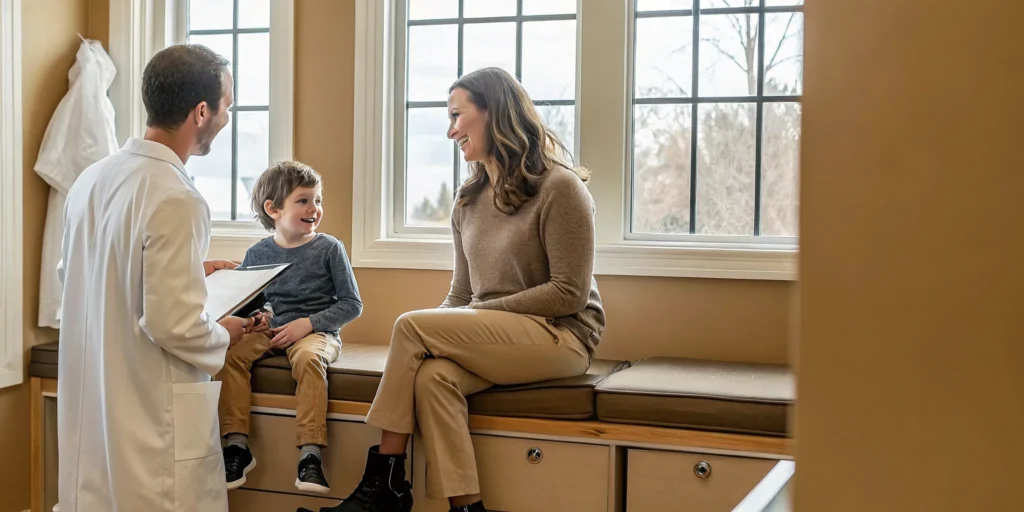
Your young athlete needs more than new gear for the upcoming season. Pediatric sports physicals help identify health concerns before they cause problems on the field.
Schedule your child’s pediatric sports physical with Preferred Medical Group.
Pediatric sports physicals are vital health exams that check if a child can safely join school sports or camp games. These visits focus on a child’s health history and fitness to find any risks for injury or illness during play. The American Academy of Pediatrics suggests booking these checks as part of a child’s routine well-visit. Families can also review Preferred Medical Group’s new patient registration information and insurance and payment guidance before the appointment. During the exam, a doctor checks the heart, lungs, and joints while looking at past health issues. Families should bring any school forms and a list of current medicines to the clinic. Getting these exams done early gives time for any needed follow-up care. Preferred Medical Group provides these checks to help every student athlete play with pride and stay healthy.
What are pediatric sports physicals?
Pediatric sports physicals evaluate whether a child can participate safely by reviewing health history, checking the heart and lungs, and assessing strength and movement. Schools and leagues often require this preparticipation physical evaluation before a season starts. It is an important safety visit, not simply a form to sign.
Schedule your child’s pediatric sports physical with Preferred Medical Group.
The American Academy of Pediatrics says kids should get these exams during their yearly check-up. Using a doctor who knows your child is a smart choice. They have your child’s records and know their past health. This helps them find risks that a quick clinic might miss. Our team at Preferred Medical Group gives these pediatric sports physicals to help families stay healthy.
Why the medical home matters
A sports physical works best in your child’s medical home. This is where your child gets their usual care. Your provider sees your child’s health over time. They know about past shots and how your child grows. This helps the doctor give good advice. It also lets them manage long-term health issues. When your doctor knows your child, they can catch small changes in health.
Try to book a sports physical at least six weeks before the first practice. This gives the doctor time to check your child. They can also treat any new issues. When scheduling your child’s sports physical, bring any forms you need. This helps the visit go fast and keeps you on track. It is also good to bring your child’s glasses if they wear them.
What happens during the exam
The doctor checks many body parts during the visit. They look at the heart, lungs, and joints. They also check how your child moves. They may ask about mental health and past hurts. These steps find things that might cause trouble during a game. A sports physical is a great tool for safety. It helps parents and coaches know that a student is ready to play.
The Mayo Clinic notes that a sports physical is not a full wellness check. But it is vital for safe play. After the exam, the doctor says if the athlete can play. Some kids are ready for all sports. Others may need more tests first. This process helps keep kids active in a safe way. It gives families peace of mind as the new season starts.
What happens during a sports physical?
During a sports physical, the clinician reviews the athlete’s personal and family health history, checks vital signs, listens to the heart and lungs, and evaluates joints, strength, flexibility, and movement. The visit helps identify concerns that may need treatment or follow-up before participation.
A sports physical helps make sure your child is ready for the stress of play. These visits are also called sports physical exams. The American Academy of Pediatrics says these should be part of a normal well-child checkup. This way, your doctor has a full view of your child’s health before they start the season.
Reviewing health history
The first part of the visit looks at your child’s past health. You and your child will answer questions about past injuries or illnesses. The doctor wants to know if your child has ever fainted or felt dizzy during play. They also ask about family heart health and any current issues. This helps the doctor find risks that are not easy to see during an exam.
You should share any news about bone breaks, sprains, or bad concussions. The doctor will also check if your child takes any medicine or has allergies. This history is key for pediatric sports physicals because it sets a baseline for the visit. It also helps the doctor see if more tests are needed before your child starts practice.
The physical exam
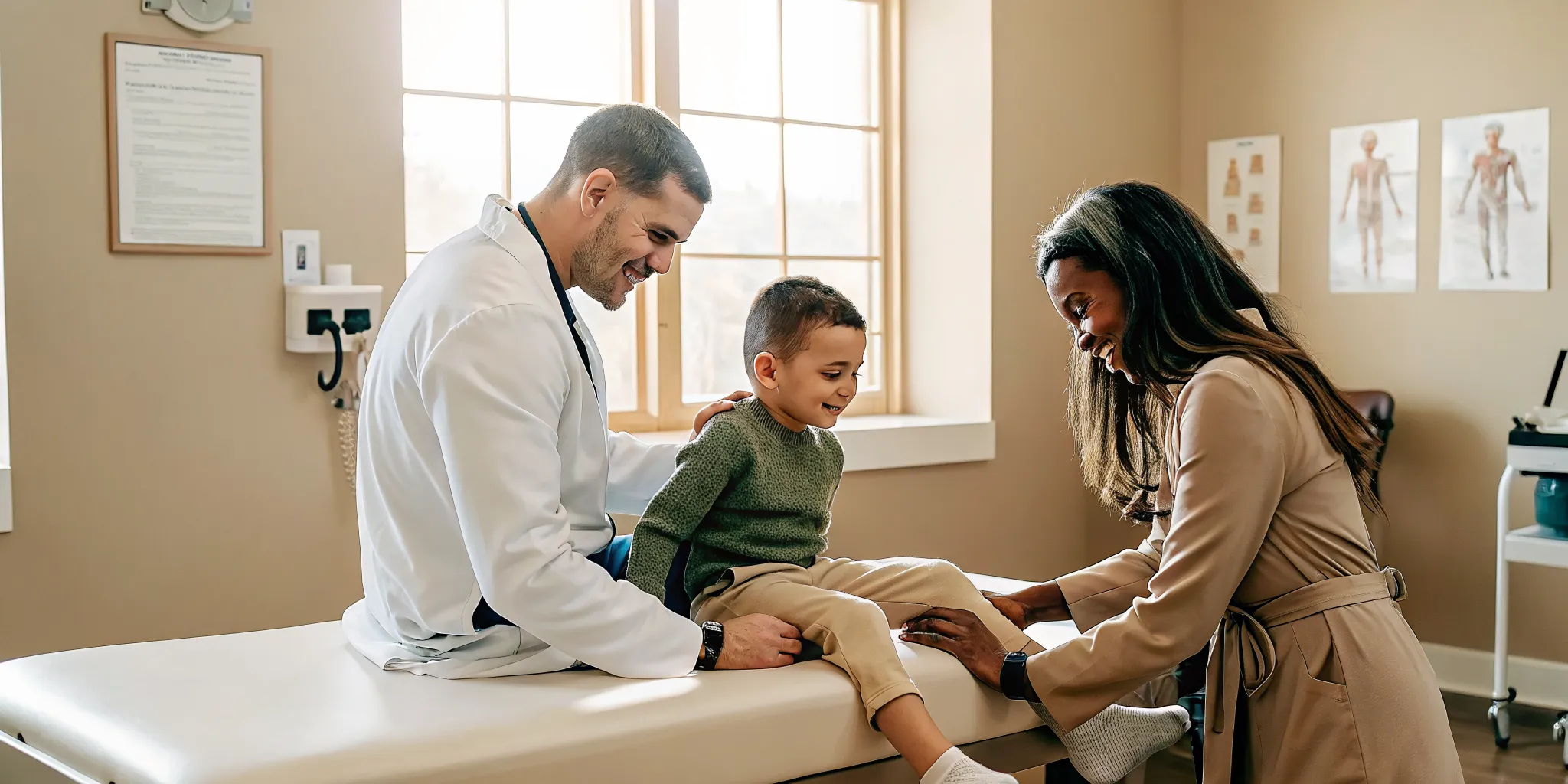
Next, the doctor performs a full exam to check how your child’s body works. They will measure height, weight, and blood pressure. They listen to the heart and lungs to look for sounds that are not normal. The doctor also checks the eyes, ears, nose, and throat. They want to make sure your child’s growth and vision are on track for their age and sport.
The musculoskeletal exam is a big part of the visit. The doctor checks your child’s joints, bones, and muscles for strength and motion. They look for signs of old injuries that might not have healed well. This part of the exam helps find areas where your child might need extra care to avoid new injuries. Mental health is also a topic the doctor may touch on during this time.
Medical readiness for sports
After the exam, the doctor looks at all the data to see if your child is ready to play. They may clear your child for all sports without any limits. In some cases, the doctor might ask for more tests or more visits. This is very common if your child has an underlying medical condition like asthma. The goal is to keep your child safe while they stay active.
Sometimes a child is cleared with certain rules, such as wearing a brace. If a doctor finds a health risk, they may not clear the child until the issue is fixed. You should bring any school forms to the visit so the doctor can sign them. This helps make scheduling your child’s sports physical easy and keeps your athlete on track. Remember that a sports physical is a tool for safety, not just a box to check.
What should families bring to the appointment?
Bring the required school or league form, a complete health history, a current medication list, and details about past injuries or symptoms. Getting ready for a visit helps ensure your child can start their season on time. A little planning makes the checkup go faster. You should gather some items before you head to our clinic. This helps our team give you the best care under one roof.
Required medical forms
Most schools and sports leagues in Alabama and Georgia have specific forms. You must bring these with you to the visit. Our team will need to sign them after the exam. Many families find these forms on school sites or from their coach. Having them ready saves time and stops a second trip to our office.
Complete health history
We need to know about your child’s past health and family medical history. This includes any past injuries like broken bones or concussions. You should also bring a list of all current medicines. If your child uses an inhaler or an EpiPen, tell the provider. The American Academy of Pediatrics suggests filling out a history form before you arrive. This helps us find any health risks early.
A parent or guardian
A parent or legal guardian must come to the visit for any child under 18 years old. This is a rule from major health groups like the Mayo Clinic. We need a parent there to sign consent forms and answer health questions. It also helps you hear the doctor’s advice first hand. If your child has health needs, you can talk about them during the exam.
Checklist for sports physicals
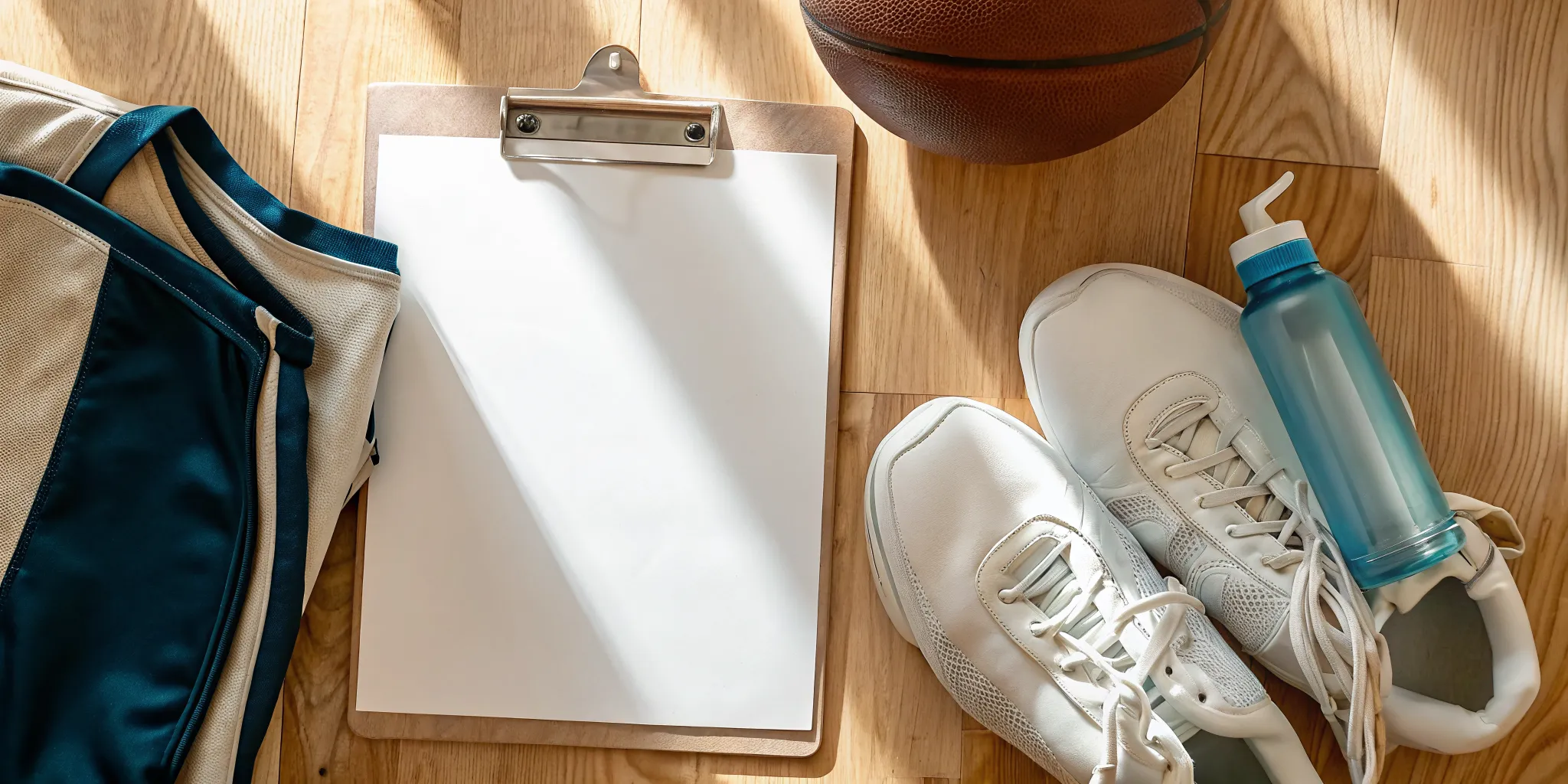
Follow these steps to prepare for your child’s visit. Being ready helps us clear your athlete for play.
- Find school forms. Check your school or league site to get the right medical forms before you arrive.
- List all medicines. Write down the names and doses of every medicine your child takes.
- Pack vision aids. If your child wears glasses or contact lenses, they must bring them to the eye exam.
- Bring a guardian. Ensure a parent or legal guardian is free to attend the full visit with the student.
- Ask questions. Think of any health concerns or past injuries you want to discuss with our pediatric team.
Our clinics in Phenix City and Auburn are ready to help your young athlete. When scheduling your child’s sports physical, let us know if you need to update routine shots too. We aim to keep your family healthy and active all year long.
Planning for pediatric sports physicals ensures your child is safe on the field. If you have questions about what to bring, call our office. We are happy to help you prepare for your visit.
When should you schedule a sports physical?
Families should schedule a sports physical before the season begins, ideally with enough time to complete any recommended follow-up. Pairing it with a routine well-child visit can give the clinician a fuller view of the athlete’s growth, preventive care, medical history, and readiness to participate.
Timing is a big part of your child’s health and sports safety. Many families wait until the last week of summer to book a visit. Starting late can cause problems. To keep your young athlete on the field, you should plan well ahead of the first day of camp.
The best time to book
The American Academy of Pediatrics says the best way to handle pediatric sports physicals is to include them in a routine well-child visit. This lets your child’s primary doctor review their full health history and growth. Most schools need a new exam every year. You should aim to book the visit at least six weeks before the first practice starts.
Scheduling your child’s sports physical early gives you peace of mind. It makes sure your child has the medical clearance they need to join their team. Our team at Preferred Medical Group helps families across East Alabama and West Georgia with these checks. We offer open hours in Phenix City and Auburn to make it easy for busy parents to find a slot.
Allowing time for follow-up care
A main goal of the sports physical is to find health issues that could make play unsafe. If a doctor finds a heart issue or a bone injury, your child may need more tests. A six-week buffer allows time for this extra care. This gap gives you enough time to see a special doctor or finish any needed therapy.
Waiting until the day before practice leaves no room for these extra steps. If a new health issue pops up during the exam, a child might be held out of play. By booking early, you give your student-athlete the best chance to stay active and safe. It also helps you get any school forms or state papers signed and turned in on time.
Beat the seasonal rush
The need for physicals peaks in late summer and early fall. Many clinics fill up fast during this time. To avoid the rush, try to schedule your visit during the spring or early summer months. This helps you find times that fit your work or school day. A parent or guardian must go with any student under 18 to the exam. This Mayo Clinic rule makes sure that kids have the support they need during the checkup.
We invite you to call our office or use our online tool to ask for a visit. We know how busy life can get for local families. Our Saturday and late evening hours are here to help you get care without missing work. Call us today to set up the exam.
Sports physical vs. well-child visit
A sports physical focuses on safe participation in athletics, while a well-child visit provides broader preventive care. The well-child visit may address growth, development, immunizations, mental well-being, nutrition, and age-appropriate screening. A sports physical does not replace that comprehensive checkup.
Many parents wonder if they should book a sports physical or a full well-child visit. While they share some parts, these two exams have many goals for your child.
A sports physical aims at safety during sports play. A well-child visit looks at the total health and growth of the child over time. The Mayo Clinic states that a sports exam does not replace a full check-up. This keeps your child safe while also tracking their full health history through the years.
What is a sports physical?
A sports physical is also called a preparticipation physical evaluation (PPE). Its main job is to find any health risks that could make sports play unsafe.
Your doctor looks at heart health and old injuries. They also check bones and joints to ensure the body can handle the stress of the game. This visit helps you feel sure your child is ready for pediatric sports physicals and team play.
The full well-child visit
A well-child visit is a broad exam that covers many things a sports physical might miss. Your doctor tracks growth and asks about mood and school life.
They also check on needed shots and give advice on good food and sleep habits. This visit is the best way to catch health issues early before they become big problems. It builds a full record of your child’s health over many years.
Comparing the two exams
It is helpful to see how these visits differ. Experts say to book a sports physical at least six weeks before the first practice. This gives you time to see another doctor if your own doctor finds a concern.
If you need help scheduling your child’s sports physical, our team can help you find the best time. Early booking also ensures your child is cleared for the first day of the season. You can talk with your clinician to see which one your child needs now.
| Feature. | Sports Physical. | Well-Child Visit. |
|---|---|---|
| Main Goal. | Safety for sports. | Full health check. |
| Focus Area. | Heart and joints. | Growth and habits. |
| Shots. | Not usually included. | Routine immunizations. |
| Mental Health. | Brief check. | Full screening. |
| Forms. | Sports eligibility. | School health records. |
Questions and concerns to discuss with the pediatrician
Tell the pediatrician about symptoms during exercise, previous injuries, concussions, medications, allergies, and family heart history. Honest answers help the clinician assess risk and decide whether the athlete needs follow-up care. Ask how existing conditions should be managed during practices and games.
Your visit for pediatric sports physicals is a good time to share health changes since the last checkup. Honest answers help the clinician assess whether your child may need follow-up before returning to the field.
Past injuries and medical history
Tell your doctor about any old injuries that still cause pain. This includes broken bones, sprains, or head hits like concussions. Mayo Clinic notes that a parent must go with any student under 18 to the exam. This lets you help the doctor see if your child needs special care for a past hurt. Small pains can become big problems during a busy sports season, so do not skip this step.
The clinician will check how old injuries have healed and may recommend ways to support those areas. If your child uses a brace or tape, share that detail so the clinician can assess whether any participation limits or follow-up may be appropriate.
New symptoms during play
Pay close attention to how your child feels when they run or play hard. Mention if they ever feel dizzy or faint while they are active. You should also bring up any chest pain or trouble catching their breath. These signs are key for the doctor to check. It helps them look for heart or lung issues that might need more tests.
When scheduling your child’s sports physical, think about times they felt tired too fast. If they feel much more worn out than their teammates, the doctor should know. This could be a sign of asthma or other health needs. Catching these concerns early allows for better care before the first practice begins.
Family history and medicine
Doctors need to know about your family health history, mainly heart problems. Tell them if any close relatives had heart issues at a young age. This helps the doctor find risks that may not show up on a simple physical test. Being safe is always the top goal for every athlete in your home.
Make a list of all medicines your child takes, including inhalers and allergy medicines. The clinician can discuss how existing conditions and medicines should be managed during practices and games.
Preparing for pediatric sports physicals in East Alabama
To prepare, confirm the school’s deadline, gather required forms, list medications and allergies, and note past injuries or exercise-related symptoms. Bring current insurance information and allow time before the season for follow-up. Preferred Medical Group’s pediatrics team serves families across East Alabama.
Your child needs to be ready for the season. Getting pediatric sports physicals is an important first step. Most schools in East Alabama need these forms before practice begins. Preferred Medical Group serves families in Phenix City and Auburn with routine pediatric care and focused follow-up under one trusted roof.
When to schedule the exam
The best time for booking your child’s sports physical is during their yearly check-up. Doctors say these visits are the best way to check a child’s health for sports. If you cannot do it then, try to book the visit at least six weeks before the first practice. This gives your doctor time to check on any health needs they find. Preferred Medical Group’s Phenix City location and Auburn location serve East Alabama families. Review the location details and contact the pediatrics team to ask about current appointment availability.
Our team can help you find the right appointment for your child. Before the visit, review the practice’s office policies and call the pediatrics team to request a time. We want to help your child stay safe on the field. Booking early means you do not have to worry about the rush as the season gets close.
What to bring to the visit
Getting ready helps the visit go smoothly. Bring required forms and complete the health-history section before you arrive. If your child wears glasses, bring them for the eye check.
A parent or adult must go with any student under 18 years old. Based on the Mayo Clinic sports physical guide, having a parent there is a rule for these visits. You can help answer questions about your child’s past health. This makes the exam more useful for everyone.
Why the medical home matters
Your child’s regular clinician knows their health history and can notice changes over time. During the physical, the clinician checks the heart, lungs, bones, movement, and other areas relevant to safe sports participation.
The clinician checks more than height and weight. They evaluate movement and past injuries, then explain any recommended next steps. Seeing a regular clinician also keeps the exam connected to your child’s broader health history.
Frequently Asked Questions
Families often ask why sports physicals are needed, when to schedule, what to bring, and how to request an appointment. These answers cover the most common planning questions. Your child’s clinician can provide guidance tailored to their health history, sport, and school requirements.
Why does my child need a pediatric sports physical?
Schools and sports teams often need a sports physical to make sure athletes are healthy and fit to play. This exam helps find health issues that might make sports unsafe for your child. Based on the American Academy of Pediatrics, the goal is to keep young athletes safe during practice and games. It also lets a doctor check heart health and review past health to help stop injuries before they happen.
When should I schedule a sports physical for my student-athlete?
You should try to book a sports physical as part of your child’s yearly well-child visit. If that is not possible, the AAP says to book the exam at least six weeks before the first practice. This extra time allows for any follow-up care or tests your child might need. Planning early helps make sure your athlete is ready for the season and meets all school rules before the first day of team training.
What should I bring to a pediatric sports physical appointment?
Parents should bring any school or league forms for the doctor to sign. You should also bring a list of medicines and your child’s health records. If your athlete wears glasses or contact lenses, the Mayo Clinic says they should bring them to the visit. A parent or guardian must go with any student under age 18 to the exam. Having these items ready will help the visit go fast and smooth.
How do I schedule a sports physical with Preferred Medical Group?
Families in East Alabama can book a sports physical by calling the clinic or using the email appointments@preferredmedgroup.com. Preferred Medical Group offers late hours on Tuesdays and Saturday visits to make booking easier for busy parents. It is best to call early during the summer months when many families need exams. Our team serves families in Phenix City, Auburn, and Opelika to make sure your child is healthy and ready to play.
Ready to schedule a pediatric sports physical?
Scheduling early gives your family time to complete the exam and any recommended follow-up before practice begins. Preferred Medical Group can help with pediatric sports physicals and continuing pediatric healthcare. Contact the team to ask about current appointment availability.
Ready to schedule a pediatric appointment? Call 334-664-0463 to request your child’s exam today.
Students in the Auburn area can get sports physicals at our Auburn pediatric clinic. Our team provides complete sports participation exams for school and club sports.