
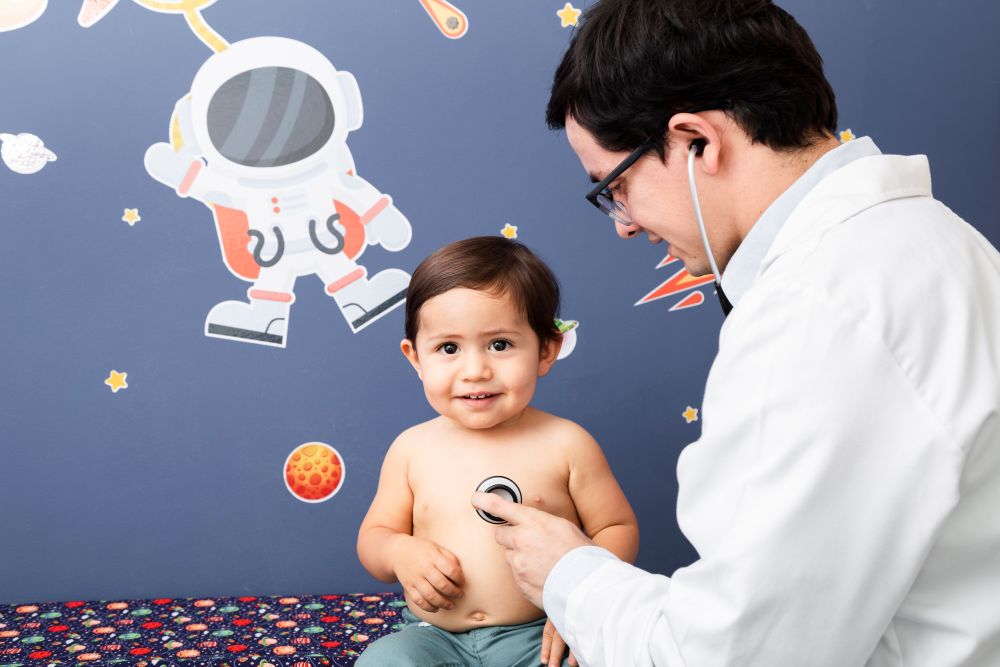
Pediatricians provide comprehensive medical care for children from newborn through age 18, specializing in physical health, mental development, and emotional wellness. These medical professionals handle everything from routine wellness visits to complex disease management, collaborating closely with families to support healthy growth. A pediatrician serves as the primary healthcare provider for young patients, offering preventive services, acute care, and ongoing health monitoring throughout childhood. Families seeking quality pediatric care often turn to the top medical clinic in Opelika for their children’s healthcare needs.
The Foundation of Pediatric Medicine
Pediatric medicine differs significantly from adult healthcare because children’s bodies and minds are constantly developing. Their immune systems, organ functions, and cognitive abilities change rapidly during different growth phases. This means pediatricians need specialized training to understand how diseases affect growing bodies differently than they do in mature adults.
Most pediatricians complete four years of medical school followed by three years of pediatric residency training. This extensive preparation covers child development, age-specific medical conditions, and family-centered care approaches. Some doctors pursue additional fellowship training in subspecialties like cardiology, neurology, or emergency medicine.
Preventative Care and Wellness Monitoring
Regular check-ups form the backbone of pediatric practice. During these visits, doctors track growth patterns using standardized charts, monitor developmental milestones, and conduct physical examinations. Weight, height, and head circumference measurements help identify potential concerns early.
Vaccination schedules represent another critical preventative function. Pediatricians follow guidelines from the Centers for Disease Control and Prevention to protect children from serious infectious diseases. These immunizations prevent illnesses like measles, polio, and whooping cough that once caused widespread childhood mortality.
Developmental screening happens during routine visits, too. Doctors assess motor skills, language development, and social behaviors to catch delays that might benefit from early intervention services. Sometimes a child who seems quiet might just be focusing on mastering walking, but at other times it may signal hearing issues or developmental differences.
Diagnosing and Treating Childhood Illnesses
When children get sick, pediatricians use age-appropriate examination techniques and diagnostic tools. Ear infections, respiratory illnesses, and stomach bugs account for a large share of acute care visits. However, doctors also manage chronic conditions like asthma, diabetes, and attention deficit disorders.
The diagnostic process often involves careful observation since young children can’t always describe their symptoms clearly. Pediatricians learn to interpret crying patterns, behavioral changes, and physical signs to piece together what’s happening. A toddler might become clingy and refuse food because of throat pain, not because they’re being difficult.
Treatment approaches consider both the medical condition and the child’s developmental stage. Liquid medications work better for babies, while older kids might handle chewable tablets. Dosing calculations based on weight and age require precision, as children metabolize medications differently from adults.
Addressing Behavioral and Mental Health
Modern pediatric practice includes significant focus on emotional and behavioral wellness. Doctors screen for anxiety, depression, and attention difficulties during regular visits. Many children experience stress from school pressures, family changes, or social challenges, which can affect their overall health.
Sleep problems, eating difficulties, and behavioral concerns often have medical components. A child having trouble concentrating might have vision problems, hearing loss, or sleep disruption rather than behavioral issues. Pediatricians work to identify underlying medical causes before considering other interventions.
Mental health screening becomes particularly important during adolescence when hormonal changes, social pressures, and academic demands create new challenges. Doctors provide a confidential space for teenagers to discuss sensitive topics and connect families with appropriate mental health resources when needed.
Specialized Pediatric Services
Some children require care from pediatric subspecialists who focus on specific organ systems or conditions. Pediatric cardiologists treat heart problems, while pediatric neurologists handle seizures and brain-related conditions. These specialists work alongside primary pediatricians to coordinate comprehensive care.
Emergency pediatric medicine addresses serious injuries and acute illnesses. Children’s hospitals staff pediatric emergency departments with doctors trained specifically in childhood emergencies. These facilities stock age-appropriate equipment and maintain expertise in treating everything from broken bones to severe respiratory distress.
Neonatal intensive care represents another subspecialty serving premature infants and babies with serious medical conditions. These doctors work in hospital settings, providing life-saving interventions for the most vulnerable patients.
Family Education and Support
Pediatricians spend considerable time educating parents and caregivers about child health topics. Nutrition guidance helps families make appropriate food choices for different developmental stages. Safety counseling covers car seats, injury prevention, and age-appropriate precautions.
Parenting support addresses common concerns like sleep training, discipline strategies, and developmental expectations. New parents often worry about normal variations in infant behavior, while experienced parents might need guidance in navigating challenges with older children.
Communication styles adapt to family preferences and cultural backgrounds. Some families prefer detailed medical explanations, while others want simple recommendations. Building trust requires understanding each family’s values and communication preferences.
Working With Healthcare Teams
Pediatricians collaborate with numerous other healthcare professionals to provide comprehensive care. School nurses, therapists, social workers, and other specialists often contribute to treatment plans. This coordination ensures children receive appropriate services across different settings.
Referral management represents an important aspect of pediatric practice. Doctors must know when conditions exceed their expertise and require specialist consultation. They also help families navigate complex healthcare systems and insurance requirements for specialized services.
The Rewards of Pediatric Medicine
Despite the challenges, pediatric medicine offers unique rewards. Watching children overcome health obstacles and thrive brings tremendous satisfaction. Building relationships with families over many years creates meaningful connections that extend beyond individual medical encounters.
Pediatricians play crucial roles in child advocacy, supporting policies that promote child health and safety. Many doctors participate in community health initiatives, school programs, and public health campaigns that benefit all children.
Contact Us
We’re here to help! Whether you have a question, need to schedule an appointment, or want to learn more about our services, reaching out is easy:
Call or Text: (334) 664-0463
Email:
- For appointments: appointments@preferredmedgroup.com
- All other matters: contactus@preferredmedgroup.com
Business Hours:
- Monday to Friday: 8 AM – 5 PM
- Saturday & Sunday: CLOSED
Address: 5809-US Highway 280 East, Opelika, AL 36804
Related Topics: