
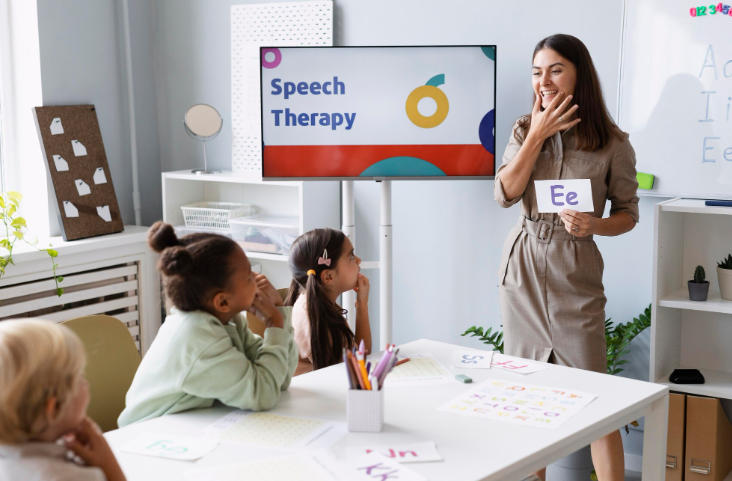
Speech therapists work with people who have trouble talking, understanding words, or interacting with others. They make plans that fit each person’s needs and take things one step at a time. Often, sessions include the client along with family or teachers, so the work doesn’t stop when the appointment ends.
They also team up with other healthcare professionals to help with things like voice, fluency, social skills, reading, spelling, and using devices that help with communication. On top of that, they can guide clients on eating and drinking safely.
Many of these services are available at a top medical clinic, which helps people get the care they need in one place. The main point is to make speaking and understanding easier, so life feels a little more normal every day.
Diagnosing Speech and Language Disorders
Speech therapists assess communication difficulties by conducting comprehensive evaluations. These evaluations focus on various aspects of communication, such as speech sounds, language comprehension, expression, fluency, and voice quality. By identifying whether issues arise from articulation problems, language processing disorders, fluency interruptions (like stuttering), or voice disorders, therapists gain a deeper understanding of the underlying causes of communication challenges.
Through standardized tests, informal observations, and discussions with both the individual and caregivers, speech therapists gather essential data. This process enables them to provide an accurate diagnosis and design a customized treatment plan to address specific needs, promoting enhanced communication and an improved quality of life.
Creating Personalized Treatment Plans
Effective treatment plans are crucial for successful speech therapy. After evaluating an individual’s communication challenges, speech therapists design personalized interventions aimed at specific goals such as improving articulation, enhancing language comprehension, or boosting social communication skills. By considering strengths and areas for improvement, therapists create a clear roadmap for therapy.
These plans are dynamic, evolving based on the client’s progress, and are designed to achieve measurable results. Collaboration between the therapist, client, and support system ensures that each strategy is tailored to the individual’s needs, paving the way for significant communication improvements and personal empowerment.
Providing Speech and Language Therapy
Speech therapists utilize evidence-based techniques to provide comprehensive therapy that targets various communication challenges. Therapy sessions are structured to address specific areas such as speech articulation, language comprehension, fluency, and voice quality.
The aim is to enhance communication in everyday situations, helping clients gain confidence and independence. Through the use of therapeutic exercises, assistive technologies, and individualized interventions, speech therapists work to maximize each client’s communication potential.
Continuous collaboration with families, caregivers, and other professionals ensures that therapy is well-rounded and effective. Additionally, therapists often work as part of a multidisciplinary team, collaborating with other health professionals to support individuals in using and understanding language, managing fluency, and addressing other needs like eating and drinking safely and effectively.
Improving Communication Skills
Improving communication skills involves using specialized techniques to address individual challenges and foster better interaction. Therapists focus on enhancing speech clarity, language understanding, and social communication through personalized exercises and strategies. Goals typically include improving articulation, expanding vocabulary, refining grammar, and enhancing pragmatic language use.
By targeting specific needs, therapists create an approach that facilitates communication in a variety of settings. With patience, dedication, and expert intervention, speech therapists help individuals overcome barriers to effective communication, promoting growth and greater self-confidence.
Collaborating With Caregivers and Educators
Collaboration with caregivers and educators is an essential part of speech therapy. By working together, speech therapists, caregivers, and educators can create a supportive environment that promotes continuous communication practice outside of therapy sessions. Caregivers are instrumental in implementing therapy techniques at home, ensuring that progress continues between sessions.
Educators offer valuable insights into how communication challenges impact a child’s academic and social performance, allowing therapists to adapt interventions accordingly. This team-based approach maximizes the effectiveness of therapy and creates a consistent support system to help individuals thrive in their communication journey.
Monitoring Progress and Adjusting Interventions
To ensure optimal treatment outcomes, speech therapists continuously monitor progress and adjust interventions as needed. Key steps in this process include:
- Ongoing Progress Monitoring: Regular assessments are conducted to track improvements and identify areas requiring additional focus.
- Collaboration with Clients and Caregivers: Therapists involve clients and caregivers in the monitoring process to ensure everyone stays informed and actively engaged.
- Adapting Interventions Based on Evidence: Therapists adjust strategies based on data collected during assessments to meet the evolving needs of the individual.
- Maintaining Open Communication: Continuous communication with clients, caregivers, and educators ensures that the treatment plan remains relevant and effective.
Contact Us
We’re here to help! Whether you have a question, need to schedule an appointment, or want to learn more about our services, reaching out is easy:
Call or Text: (334) 664-0463
Email:
- For appointments: appointments@preferredmedgroup.com
- All other matters: contactus@preferredmedgroup.com
Business Hours:
- Monday – Friday: 8 AM – 5 PM
- Saturday & Sunday: CLOSED
Address: 5809 US-280, Opelika, AL 36804
Related Topics: