
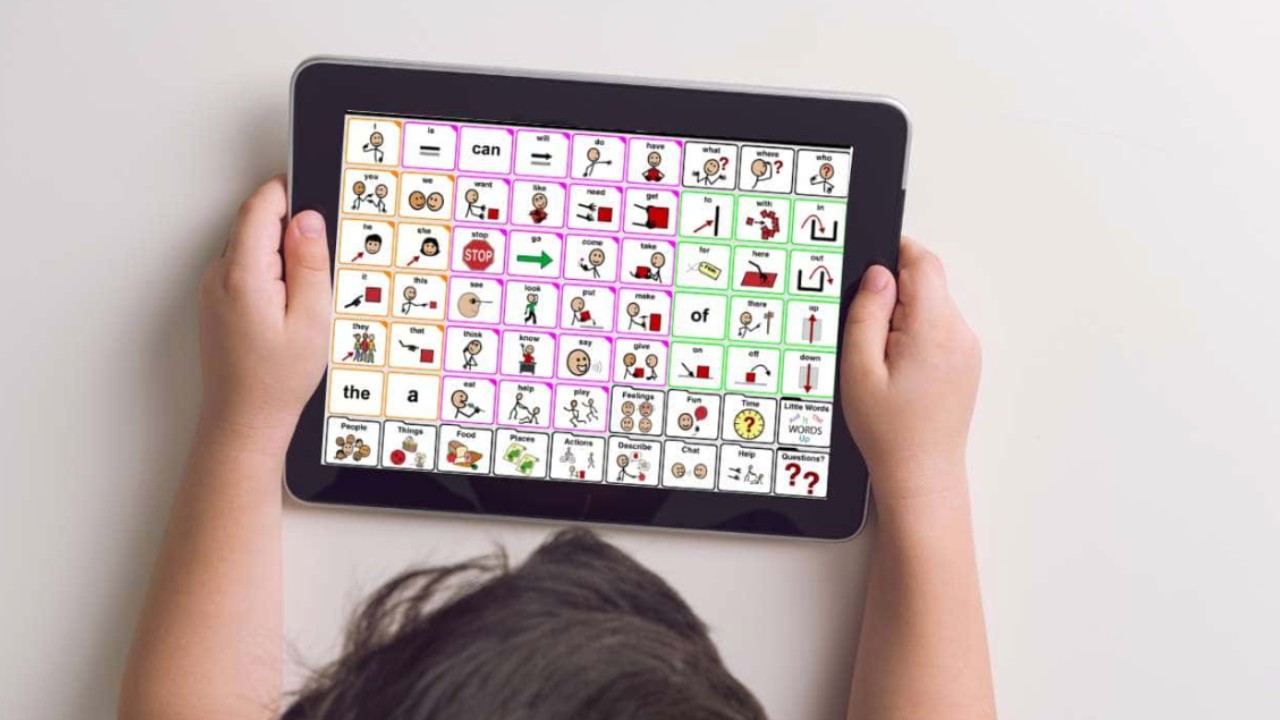
Communication challenges can feel isolating, but there are proven ways to help people express themselves more clearly. AAC, or Augmentative and Alternative Communication, includes methods like gestures, sign language, picture boards, and tech devices that help people share their thoughts and feelings. At Opelika’s trusted medical clinic, speech therapists use these tools to build better communication skills for people of all ages. These methods can transform how someone connects with family, friends, and their community. This guide breaks down what AAC is, how it works, and why it makes such a real difference in people’s lives.
Definition of AAC
AAC stands for Augmentative and Alternative Communication. It’s a collection of methods that help people who struggle to speak get their message across. This can include simple gestures and facial expressions, or more advanced options such as communication boards with pictures or electronic devices that speak for the user. The goal is straightforward: give people a voice when words don’t come easily. Some people use AAC temporarily while recovering from an injury or illness, while others rely on it long-term. Speech therapists learn these different systems so they can match each person with what works best for them.
Types of AAC Systems
AAC can be divided into two main categories: unaided and aided systems. Unaided AAC doesn’t need any equipment, it uses things your body can already do, like signing, pointing, or making specific gestures. Aided AAC brings in outside tools to help. This might be a simple communication book with pictures, a board where someone can point to words or symbols, or a tablet with special apps. Some people use speech-generating devices that speak out loud when they select words or phrases. The right choice depends on someone’s physical abilities, learning style, and what they need to communicate. Many people combine different types of AAC throughout their day.
How AAC Supports Communication
AAC opens up new ways for people to connect and be understood. Here’s how it helps:
- Augmentative Support: AAC works alongside whatever speech someone already has, filling in the gaps with pictures, symbols, or text to make messages clearer.
- Expressive Freedom: It gives people options to communicate in places where speaking might be hard or impossible, whether that’s a noisy room or a moment when words just won’t come.
- Improved Social Interaction: When people can express themselves more easily, conversations flow better, friendships grow stronger, and they feel less isolated from the people around them.
Implementing AAC Strategies
Getting AAC right means looking at each person as an individual. Speech therapists consider things like how someone moves, what they can see and hear, how they learn, and what they actually want to say in their daily life. For some people, a high-tech tablet works great. Others do better with a simple picture board. Many use a mix, maybe sign language at home and a device at school. The key is staying flexible. What works today might need adjusting next month as someone’s skills grow or their needs change. Regular check-ins help make sure the system keeps doing its job.
AAC Assessment Process
Finding the right AAC solution starts with a careful evaluation. Here’s how speech therapists figure out what will work:
- Gathering Information: Therapists learn about someone’s medical background, current communication skills, and what they need to say in daily life.
- Assessment Tools: They try out different options, communication boards, devices, apps, and language tests, to see what clicks.
- Observation and Collaboration: By watching how someone communicates naturally and talking with family, teachers, or caregivers, therapists get the full picture of what’s needed.
This process helps create a plan that actually fits into someone’s real life, not just what looks good on paper.
Success Stories With AAC
AAC changes lives in real, measurable ways. Take a nonverbal child with autism who couldn’t tell anyone when he was hungry, tired, or upset. After his speech therapist introduced a communication device, he started tapping buttons to share what he needed. His frustration dropped because people finally understood him. His parents could respond to his needs rather than guess. Stories like this happen every day in speech therapy. AAC doesn’t just help people communicate, it helps them feel heard, build relationships, and take part in the world around them. Every person’s path looks different, but the goal stays the same: giving everyone a way to be understood.
Related Topics: